

100% First-Year Depreciation for Manufacturing Facilities
For the seasoned real estate investor, tax depreciation is a compliance exercise, but it is also a liquidity event, a cash flow lever and a competitive edge. The One, Big, Beautiful Bill Act (July 4, 2025) introduced IRC Section 168(n) — a provision that rewrites the depreciation rules for domestic production facilities. The headline is simple: 100% first-year deduction for certain Qualified Production Property (QPP). No 39-year drag. No bonus depreciation phase-down. Just immediate expensing. But the details are where fortunes are made or left on the table. Let us tell you everything you need to know about this strategy in today’s article.
What is QPP?
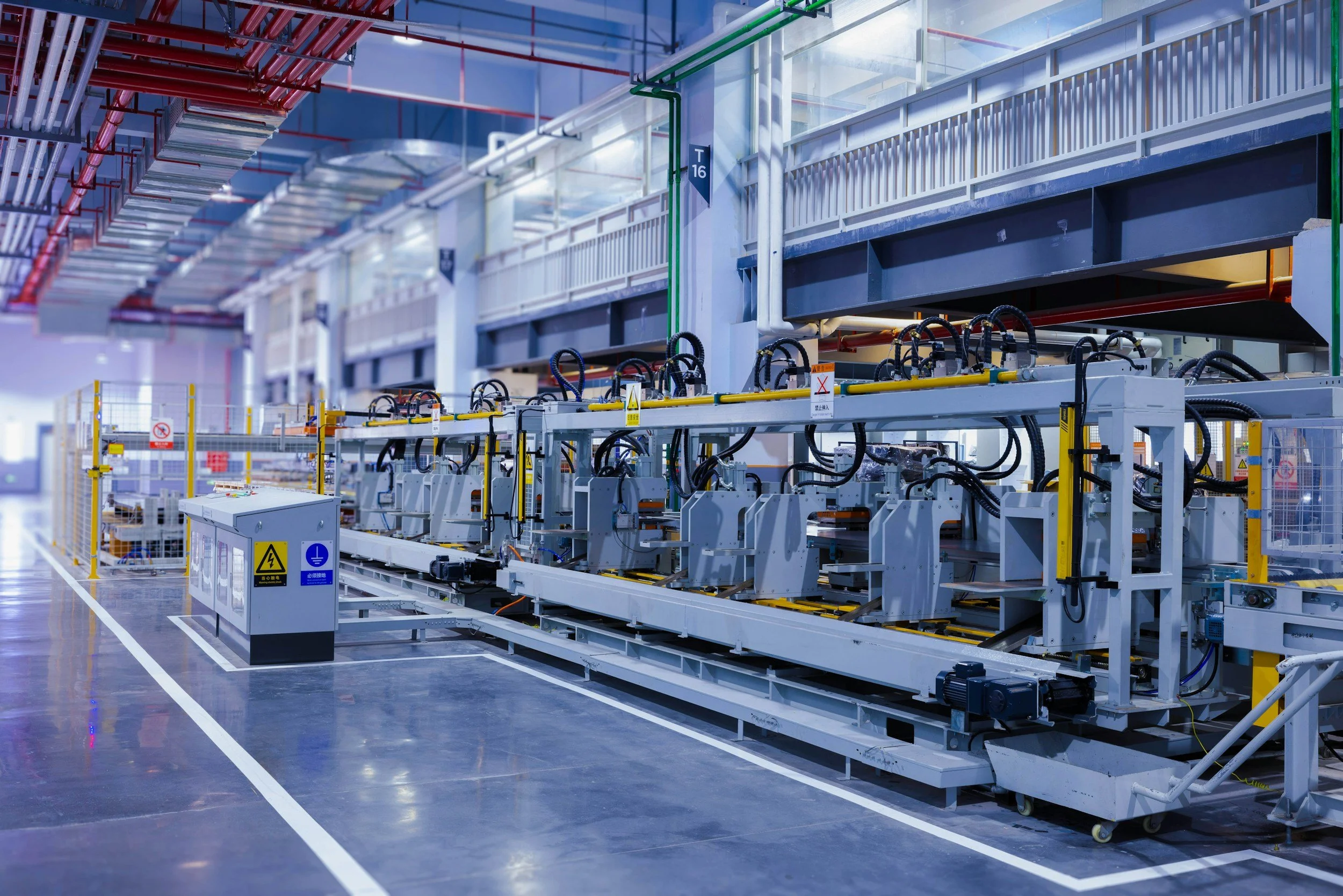
Qualified Production Property (QPP) is a special category of commercial building property that, if you meet the rules, you can deduct 100% of its cost in the very first year you put it into service. Normally, a manufacturing building would be depreciated over 39 years. Under QPP, you skip all of them. You take the entire deduction on that year’s tax return. QPP is nonresidential real property used as an integral part of a qualified production activity in the U.S.
Getting QPP treatment is not automatic. You must do three things:
Build or acquire a qualifying facility within the correct time windows.
Use the facility for qualified production – not offices, not storage, not retail.
Elect Section 168(n) on your tax return for the year the property is placed in service.
That’s it. No application to the IRS. No pre-approval. You just claim it on your return with the required election statement. The election applies to all QPP you place in service that year.
What Types of Facilities Qualify?
The statute points to four core categories, though others may apply depending on the production activity:



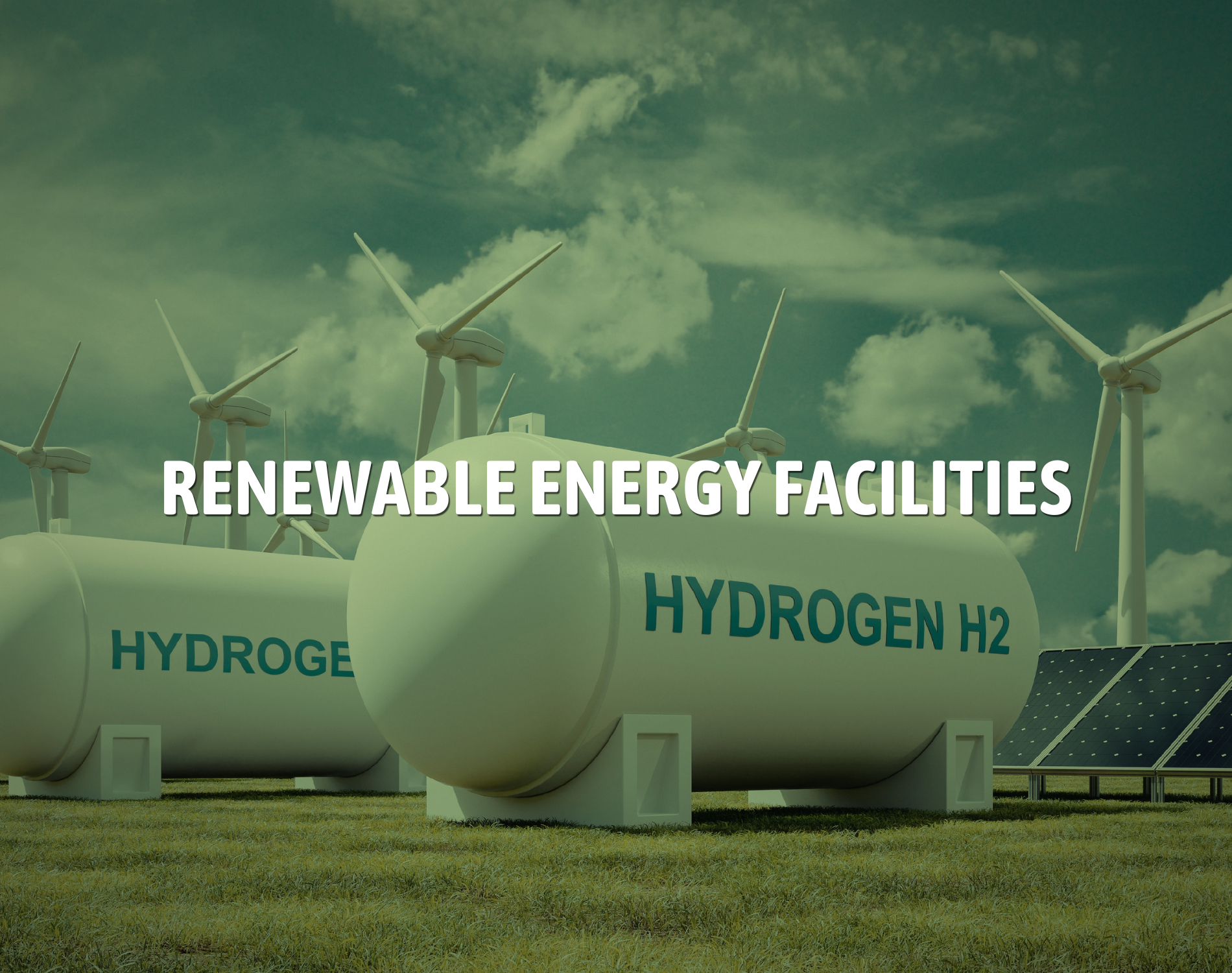
A solar panel factory qualifies. A solar farm does not. The activity must be manufacturing, production, or refining of tangible personal property.
Another requisite is the timing. QPP is not a permanent feature. It is a limited-time incentive with precise windows. This 100% Depreciation rule considers properties with construction start (new) or acquisition (used) after Jan 19, 2025 and before Jan 1, 2029. It should also be placed in service after July 4, 2025 and before Jan 1, 2031.
What this means:
If you acquire an existing manufacturing facility after January 19, 2025, and before 2029, it may still qualify as used QPP, provided no prior owner already made the election. That opens a 48-month acquisition window for value-add industrial deals.
For developers, this favors ground-up industrial. For acquisition funds, it rewards speed: buy before 2029, place in service before 2031.
The Tricky 95% Rule
QPP applies only to the portion of a building used as an integral part of a qualified production activity. Excluded areas include offices & administrative suites, break rooms, locker rooms, lodging, parking structures, sales areas, research labs, engineering spaces, or finished goods storage. However, if 95% or more of the building’s physical space is used for qualified production, you may elect to treat the entire property as QPP. That is a powerful shortcut but it requires engineering-level documentation to prove the 95% threshold.
If you fall below 95%, only the production areas qualify. Everything else reverts to 39-year nonresidential real property. This is where you use cost segregation. Cost segregation is the engineering-based, IRS-recognized process of dissecting a building's total cost and reclassifying its components into shorter, accelerated depreciation categories. In the context of Qualified Production Property (QPP), its role is twofold: it serves as the critical tool for precisely defining the eligible QPP building portion and ensures all non-QPP assets are depreciated as rapidly as possible.
Some investors mistakenly believe QPP eliminates the need for cost segregation. That is incorrect and potentially expensive. Not everything in a manufacturing facility is QPP. Site improvements (paving, fencing, lighting) are never QPP-eligible. Offices and storage areas are excluded. Without a study, you would depreciate those assets over 39 years. With cost segregation studies in your tax strategy, they become 15-year or 5-year property.
It works like this. Production assets have layers. A reinforced equipment foundation, process-specific plumbing, industrial ventilation… These are often misclassified as structural components. The engineering-based analysis of specialists like USTAGI reclassifies them correctly, often into shorter lives even when QPP applies. If you later convert a QPP facility to non-qualified use, recapture applies. A good-quality study provides the baseline documentation to model that risk and plan exits.
Strategic Considerations For The Sophisticated Investor
You must elect Section 168(n) on your return for the placed-in-service year. The election applies to all QPP placed in service that year. There is no cherry-picking. Model the full portfolio impact before filing, or in other words, always strategize with your CPA and your cost segregation provider.
If QPP ceases to be used in a qualified production activity within the normal 39-year recovery period, the 100% deduction may be recaptured. Structure your hold period, conversion rights, and exit strategy accordingly.
Many states do not conform to this federal provision. In non-conforming states, you may still depreciate QPP over 39 years for state purposes. A proper study provides the federal‑state book-to-tax adjustments you will need.
Own multiple industrial properties? Consider staggering construction starts and placed-in-service dates across tax years to manage income and loss utilization. QPP is most valuable when you have taxable income to absorb it (or a clear carryforward path).
Precision Wins
Section 168(n) is the most aggressive depreciation incentive for U.S. manufacturing real estate in a generation. For investors who act within the window it offers an unprecedented opportunity to fully expense building costs immediately. But eligibility is not binary. Excluded areas, mixed-use facilities, and the interaction with cost segregation demand engineering‑based documentation and strategic tax planning.
USTAGI delivers that precision. We identify what qualifies for QPP, what does not, and how to allocate every dollar to its shortest legal recovery period, whether under 168(n), bonus depreciation, or regular MACRS.
The window is open. The rules are complex. And the reward is immediate.
Let’s talk before you place that next facility in service.
This material is for informational purposes only and does not constitute tax advice. Investors should consult their own tax advisors regarding the application of IRC Section 168(n) to their specific facts.