

Why a Cost Segregation Study is a Game-Changer for Your Airbnb Business
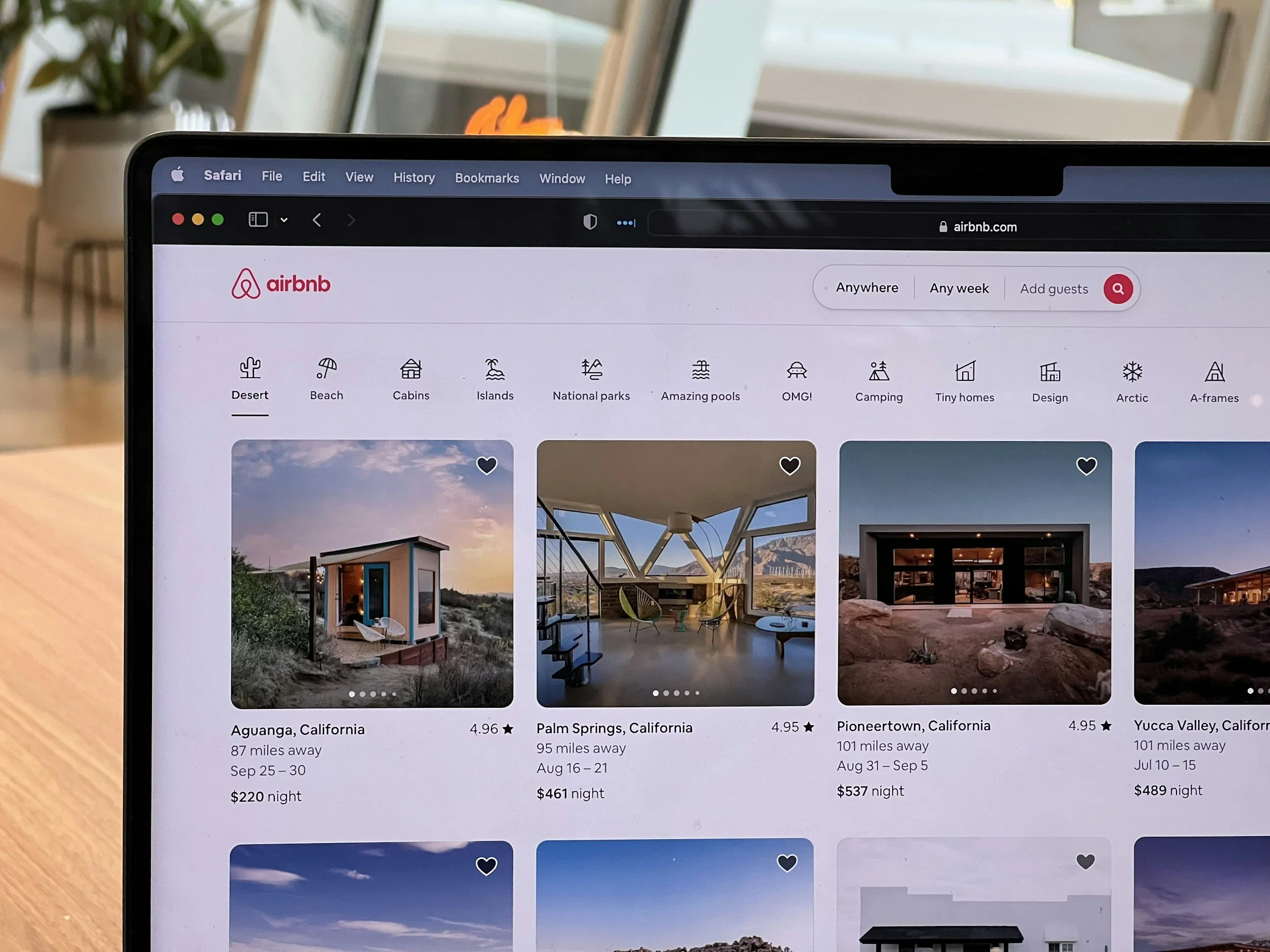
If you own an Airbnb, you know the drill. You’re constantly optimizing the guest experience, your pricing strategy, your cleaning crew's turnaround time or any of the thousands of things that the industry requires. But there’s one area of your business that might be sitting on the table, untapped: your tax strategy. Specifically, a tool called Cost Segregation, or "Cost Seg," is quietly helping savvy short-term rental hosts keep thousands of dollars in their pockets that would otherwise go to the IRS. Let us explain why Cost Seg is not just good, but essential, for your Airbnb business.
The Airbnb Tax Problem
As an Airbnb host, your property is unique in the eyes of the IRS. Unlike a long-term rental, your success depends heavily on the "personal property" inside the home. Think furniture, smart TVs, washer/dryers, patio furniture, and even the hot tub in the backyard. Under standard accounting rules, a residential building is depreciated over 27.5 years. That means if your property is worth $1 million, you only get to write off about $36,000 per year. But here’s the catch: your couch won’t last 27.5 years. Your HVAC unit won’t last that long either.
Cost Segregation solves this mismatch.
💸
Cost Segregation solves this mismatch. 💸
Cost Segregation is the process of dissecting your property’s purchase price or construction cost to reclassify assets from "real estate" (27.5 years) to "personal property" (5 or 7 years) or "land improvements" (15 years). For an Airbnb, this is a game-changer because short-term rentals are asset-heavy. Consider what makes your listing a 5-star stay:
Appliances: Refrigerator, dishwasher, microwave.
Furnishings: Beds, sofas, dining tables, rugs.
Tech: Smart locks, security cameras, Wi-Fi boosters, televisions.
Outdoor Living: Decks, patios, fencing, landscaping, fire pits.
In a standard tax approach, these items are lumped in with the building. With a Cost Seg study from a firm like USTAGI, they are isolated and depreciated much faster.
Now vs. Later
Why does faster depreciation matter? Because of the Time Value of Money. A dollar saved today is worth more than a dollar saved ten years from now. By accelerating your depreciation deductions into the early years of ownership, you drastically lower your taxable income now.
Scenario A (No Cost Seg): You make $50,000 in profit from your Airbnb. You pay taxes on that full amount.
Scenario B (With Cost Seg): You make $50,000 in profit, but your Cost Seg study generates an additional $30,000 in paper depreciation losses. Your taxable income drops to $20,000.
You just saved thousands in taxes, and that cash stays in your pocket to reinvest in your next property, upgrade your current one, or simply pay yourself.
Apart from this you should consider that, right now, the tax code offers a massive advantage called Bonus Depreciation. This allows you to take a large percentage of those newly classified 5, 7, and 15-year assets as a deduction in the very first year. If USTAGI identifies $50,000 worth of personal property in your Airbnb, you may be able to deduct a massive portion of that in Year 1. This can sometimes wipe out your entire tax liability for the year, or even create a Net Operating Loss that can offset income from other sources (like your W-2 job).

Is Your Airbnb "Active" Enough?
Here is another reason Cost Seg is particularly powerful for Airbnb hosts. The tax rules for rental real estate are generally "passive," meaning losses can only offset passive income. However, if you are a hands-on host (you are the one managing the bookings, handling the cleaning, or dealing with guests) you might qualify for a special status called "Real Estate Professional" or simply meet the threshold for "Active Participation." If you qualify, the losses generated by your USTAGI Cost Seg study can be used to offset your ordinary income (your salary, your business profits, etc.), supercharging your tax savings even further.
How to Get Started with USTAGI
Implementing a Cost Segregation study doesn't require you to remodel your house or change how you run your business. It requires a forensic look at what you already own. At USTAGI, we specialize in this exact process for short-term rental owners. We dig into the details of your purchase or construction to build a rock-solid, IRS-compliant engineering-based report that your CPA can file with confidence. The process is simple:
Contact USTAGI for a feasibility analysis.
Our experts perform the study, categorizing every asset in your property.
You provide the report to your tax preparer.
You file your taxes and keep more of your money.
Key Considerations for Airbnb Investors
While Cost Segregation is powerful, it works best when you understand the landscape:
Remember that depreciation is a deferral strategy. When you sell the property, the IRS will "recapture" some of those depreciation deductions. However, for most investors, the benefit of having cash flow today far outweighs the tax cost upon sale decades later.
To claim these deductions, your Airbnb must be treated as a business. Generally, this means the average guest stay is 7 days or less, and you are actively involved in management.
This isn't a spreadsheet exercise. The IRS requires a detailed analysis. Partnering with a specialist like USTAGI ensures your study holds up under scrutiny and maximizes every possible deduction.
Frequently Asked Questions
-
Absolutely. Whether you own one condo or ten luxury villas, the "personal property" inside matters. USTAGI works with hosts of all sizes to ensure the savings far outweigh the cost of the study.
-
It’s not too late. A "look-back" or retroactive study can be performed on properties placed in service as far back as 1987. You can catch up on missed depreciation without having to amend past tax returns by using a "Change in Accounting Method" (Form 3115).
-
Most studies are completed within 2-3 weeks, depending on the complexity and size of the property.
In the competitive world of short-term rentals, every advantage counts. You've optimized your listing, your amenities, and your guest communication. Now it’s time to optimize your tax strategy. Cost segregation turns your furniture, fixtures, and equipment from simple expenses into powerful tax-saving tools. By partnering with a specialists like USTAGI, you ensure that your Airbnb business is structured for maximum profitability, both during the year and at tax time.
Don't leave money on the table.
See how a cost segregation study can transform your Airbnb's financial future.