

Why a Site Visit Isn't Optional for Cost Segregation

If you're considering a cost segregation study, you're likely focused on the impressive outcome: accelerating depreciation to unlock significant tax savings and improve cash flow. But the defensibility of your study hinges on a process many overlook: the rigorous, on-the-ground due diligence of a proper site visit and document review. Treating these steps as optional is the single biggest risk to your study’s success. Here’s why they are the non-negotiable foundation of any credible, audit-ready cost segregation analysis.
More Than a Walkthrough: The Site Visit as Critical Evidence
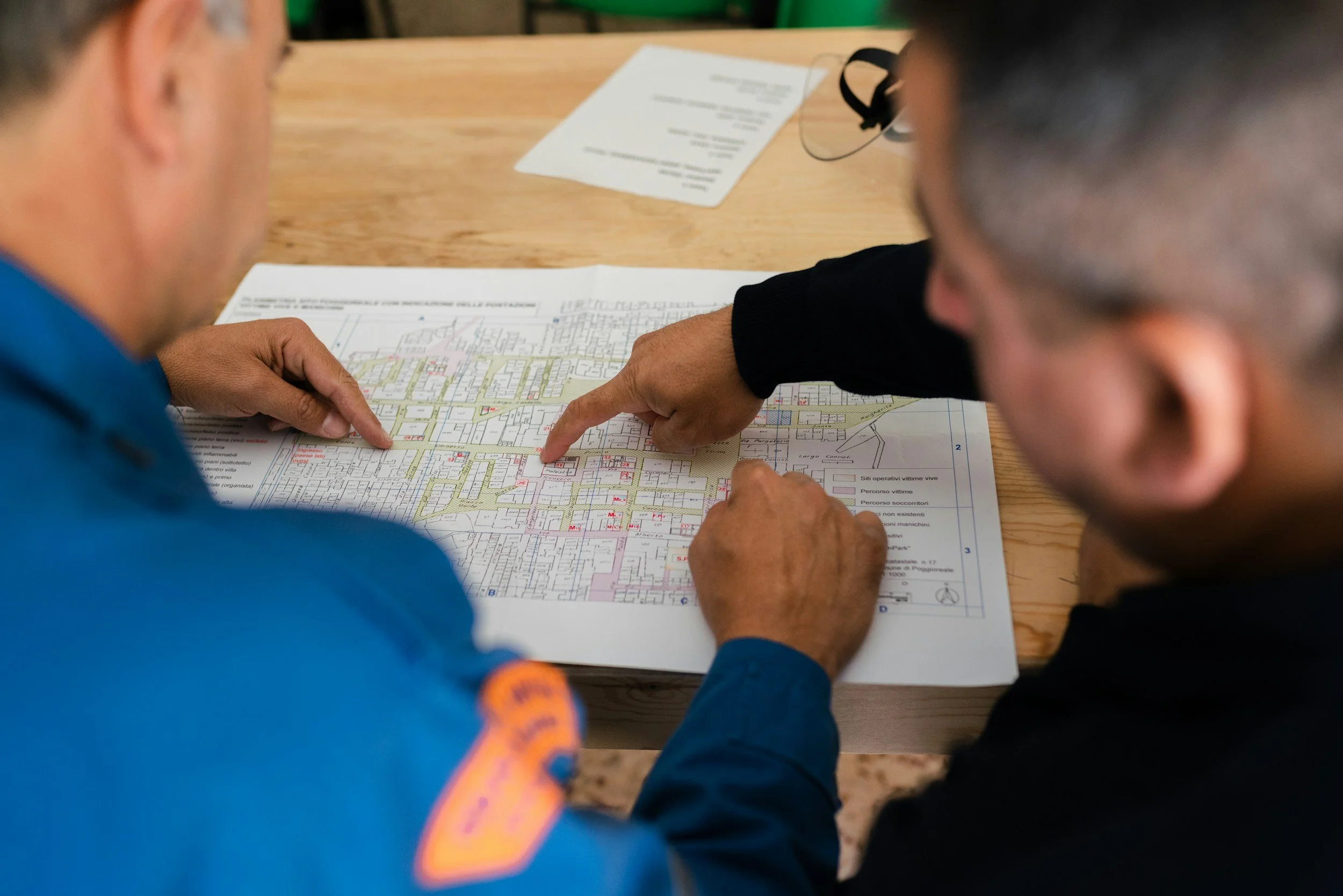
A physical site inspection is far from a casual walkthrough. For the engineers conducting the study, it is a critical evidence-gathering mission. Blueprints and invoices tell part of the story, but only a site visit can confirm the reality of the property’s condition, use, and installed components.
During the visit, specialists identify and document assets that might be missed in plans, such as specific finishes, specialty lighting, dedicated electrical wiring for equipment, and site improvements like parking lots and landscaping. More importantly, they assess the function of each component, a key determinant of its proper depreciation class. Is wiring part of the general building system, or does it serve specific machinery? The answer, often visible only on-site, has a direct impact on your deductions.
After the site visit provides the "what" and "where", the document review establishes the "how much." A study without a thorough audit of the financial paper trail lacks a defensible cost basis, making it vulnerable if the IRS asks questions. A quality provider will meticulously analyze:
Construction & Cost Records: Detailed contractor invoices, change orders, and payment applications (like AIA G-702/703 forms).
Architectural & Engineering Plans: Final blueprints, specifications, and soil reports.
Acquisition Documents: Closing statements and appraisal reports to properly allocate purchase price.
Prior Tax Filings: Existing depreciation schedules to ensure your study correctly adjusts your position without error.
This document review ensures every dollar of reclassified cost is accurate, substantiated, and traceable.
Engineering Methodology vs. Shortcut Approaches
This commitment to on-site and on-document verification is the hallmark of the engineering-based methodology. It contrasts sharply with less rigorous "invoice" or "rule-of-thumb" approaches that rely solely on surface-level cost reviews. It’s important to understand the differences:
An Engineering-based approach uses detailed analysis of all construction, cost docs, and physical inspection, while an Invoice/Estimation approach relies only on readily available invoices and generic percentages. This is why an engineering-based study identifies all qualifying assets, including those not broken out on invoices (e.g., linear feet of wiring, specific finishes). The invoices miss components not explicitly listed, leaving savings on the table.
To obtain a detailed, referenceable report with photographic evidence and a clear methodology that is highly defensible, aim for the Engineering Methodology. Shortcuts tend to lack supporting evidence for classifications, which leads to a high risk of adjustment or disallowance by the IRS.
As you may notice, professional studies maximize legitimate tax savings by fully leveraging the tax code, instead of providing incomplete savings and exposing you to risk. And that’s because a study built on this solid foundation does more than just find more deductions.
It Maximizes Your Legitimate Savings: An engineering approach systematically uncovers value that simplistic methods miss, ensuring you claim every dollar of depreciation you're entitled to.
It Provides Unmatched Audit Defense: The IRS explicitly recommends agents "inspect the property" during an audit. Your study, completed with a prior site visit and full documentation, preemptively answers their questions. The final report is your first and best line of defense.
It Ensures Long-Term Reliability: Tax law is complex. A study conducted by qualified professionals (degreed engineers and tax experts) ensures correct classification under the tax code, not just construction principles. This is crucial for navigating bonus depreciation phases and other incentives.
The USTAGI Standard
At USTAGI, this rigorous, engineering-based methodology isn't an upgrade; it's our standard. With a team that has been conducting studies since 2007 and has delivered over 20,000 studies nationwide, we blend deep construction-cost expertise with precise tax knowledge. We believe a cost segregation study is a strategic investment, not a commodity, and its quality is determined by the diligence of the process. Our mission is to equip investors and property owners with powerful, defensible tax strategies that stand the test of time, allowing you to reinvest savings and grow your portfolio with confidence.
Ready to build your tax savings on a solid foundation?
A credible study starts with a credible evaluation. Claim your free, no-obligation Property Analysis to see how much a properly engineered cost segregation study could save you. Our experts will review your property details and provide clear, actionable insights into your potential benefit.