
$950K Reclassified on a Coastal Short-Term Rental in North Carolina
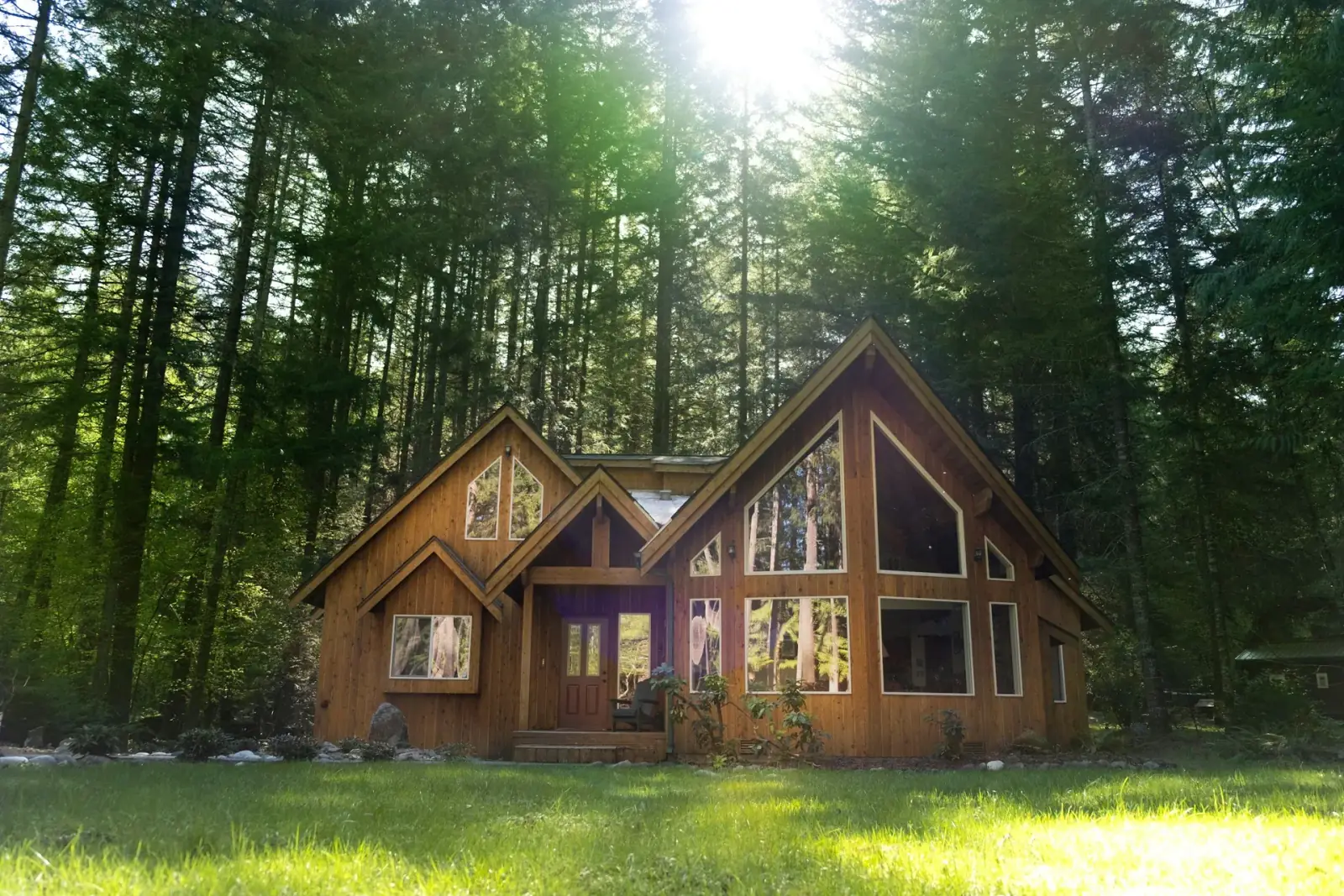
A USTAGI client referred this owner, who placed a coastal short-term rental in North Carolina in service in December 2025. The $3.73M price included $990K of land, leaving a depreciable basis of about $2.73M.
- Purchase price
- $3.73M
- Depreciable basis
- $2.73M
- Reclassified
- $950K
- Share of basis
- 35%
The property and the result
Short-term rentals rented on a transient basis are commonly depreciated as nonresidential property over 39 years rather than 27.5. After an on-site inspection with interior photos, the study moved $684K into 5-year property and $266K into 15-year property, a total of $950K or 35% of the basis.
That is above the 28.3% median across 140 short-term rental studies USTAGI has completed. Rentals furnished and finished for guests tend to carry more of their cost in 5-year components.
How the purchase price was allocated
| Category | Amount | Share of price |
|---|---|---|
| Land (not depreciable) | $990K | 27% |
| 5-year property | $684K | 18% |
| 15-year property | $266K | 7% |
| Remaining 39-year building basis | $1.78M | 48% |
How it compares: this study reclassified 35% of the depreciable basis. Across 140 short-term rental studies USTAGI has completed, the median is 28.3%.
How the study was done
- Study type
- Detailed engineering study
- Inspection
- On-site inspection with interior photos
- Cost data
- RSMeans construction cost data
- Timing
- Same-year study for the 2025 tax year
- Placed in service
- December 2025
- Depreciation before the study
- 39-year nonresidential
- Client
- New client referred by a USTAGI client
What typically qualifies on a property like this
The study assigns each component of the building and site to its IRS recovery period. On a coastal short-term rental, these are the kinds of items that usually move off the 39-year schedule.
5-year property
- Flooring, cabinetry and countertops
- Appliances and decorative lighting
- Built-in furnishings and millwork
- Smart locks, audio and security systems
15-year property
- Driveways, walkways and hardscape
- Landscaping and outdoor lighting
- Fencing and outdoor amenity areas
What this means at tax time
Property placed in service in 2025 may qualify for 100% bonus depreciation if it was acquired after January 19, 2025, subject to applicable requirements. Where it applies, the $950K of reclassified property can be deducted in the first year instead of over 5 and 15 years.
Even without bonus depreciation, 5- and 15-year property is depreciated far faster than the 39-year building schedule, so more of the deduction lands in the early years of ownership. The remaining $1.78M of basis stays on the 39-year schedule.
Studying the property in the year it is placed in service means the faster schedules start on the first return, with no catch-up filing needed.
Questions about this case study
A rental used on a transient basis, such as a vacation rental with short average stays, is commonly treated as nonresidential property and depreciated over 39 years. That makes moving components into 5- and 15-year property even more valuable.
Whether rental losses can offset other income depends on how the property is used and how much the owner participates. This is often called the short-term rental strategy. Ask your CPA how the rules apply to you.
Flooring, cabinetry, countertops, appliances, decorative lighting, built-in furnishings and smart home or security systems are typical examples.
Through a referral from an existing USTAGI client. Many short-term rental owners own more than one property and come back for each new purchase.
Could your property see results like these?
Tell us about the property and we will estimate the benefit before you commit to anything.
Explore Your Property’s Tax Savings PotentialMore case studies
Results shown are from a completed USTAGI cost segregation study and are not a guarantee of future results. The client is not named, the location is shown by state and amounts are rounded. “Reclassified” is the depreciable basis the study moved into 5, 7 and 15-year property; it is not a tax-savings figure. Outcomes depend on each property and each owner’s tax situation. Consult your tax advisor about your situation.